Artistic Team
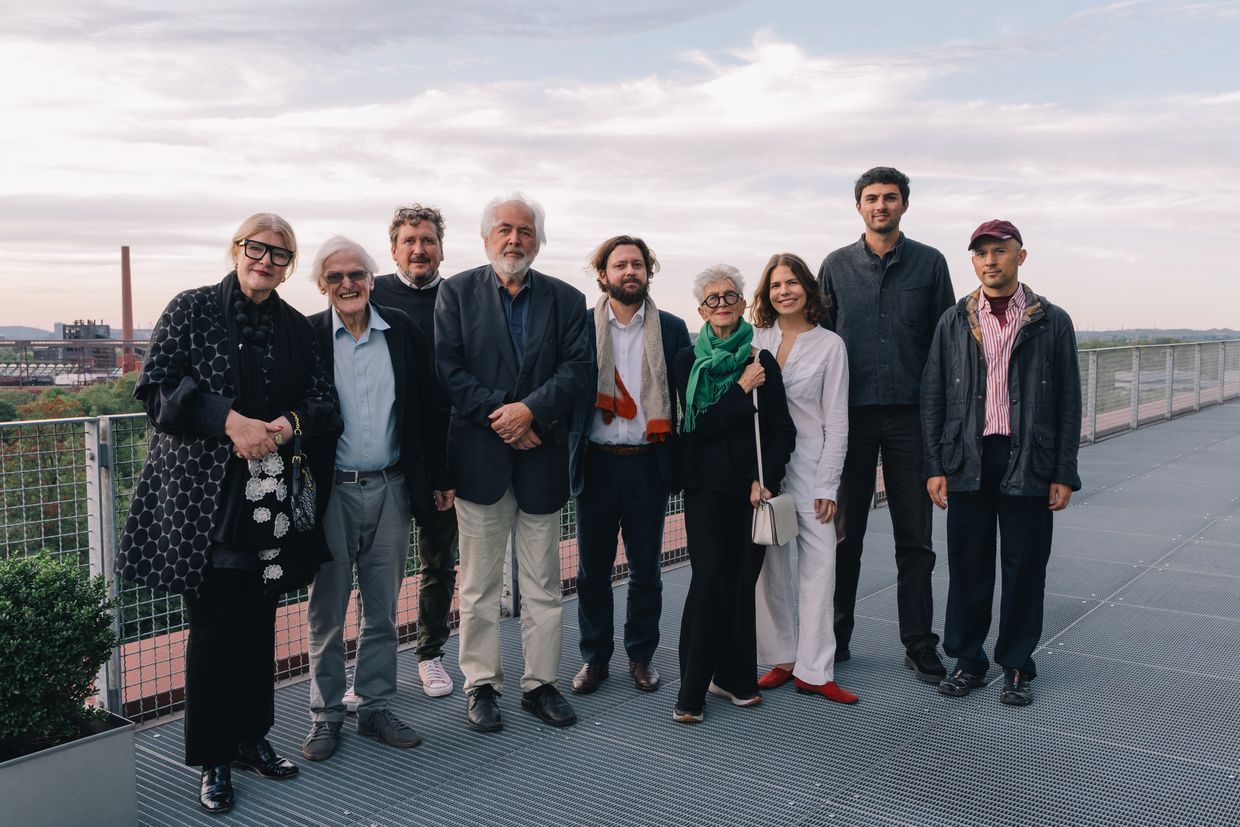
We are proud to introduce the Artistic Team of Manifesta 16 Ruhr. Together, these professionals will transform post-war churches across the Ruhr Area into places of art, solidarity and new forms of collective imagination. For Manifesta 16 Ruhr, we have chosen an intergenerational and interdisciplinary Artistic Team.
Josep Bohigas
Bochum, Gelsenkirchen
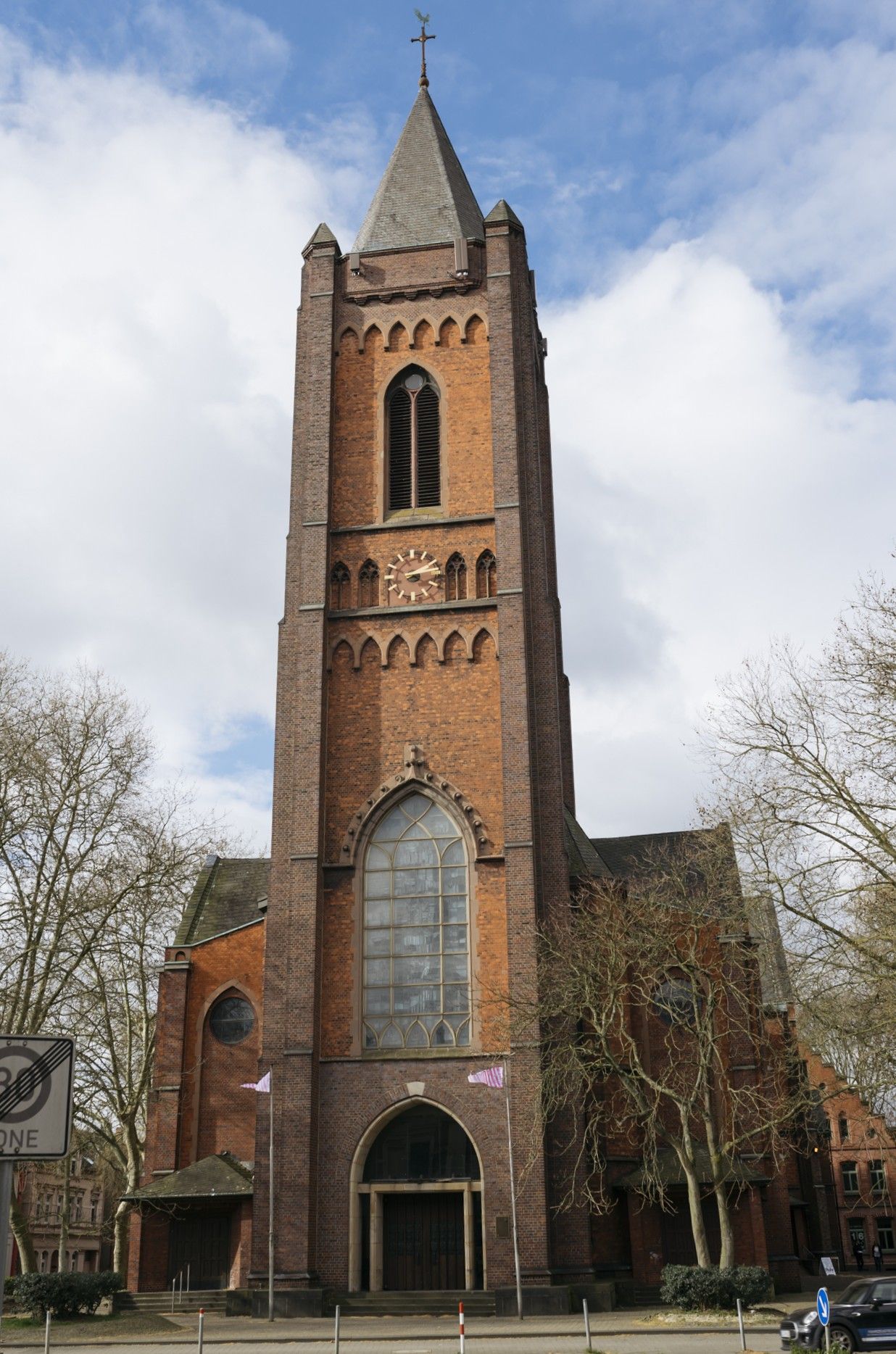
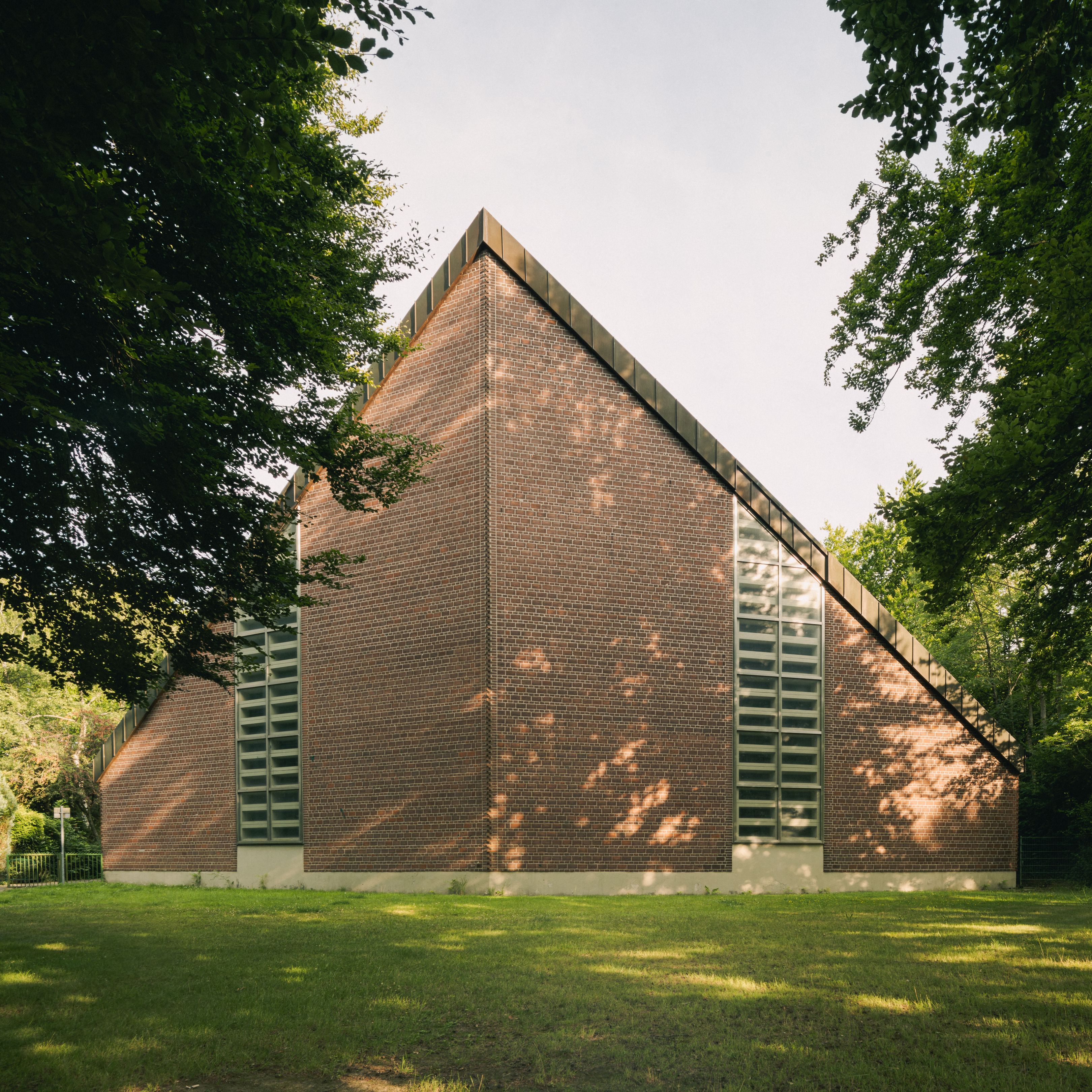
Josep Bohigas, renowned Barcelona-based architect and urbanist, is the First Creative Mediator. Known for reimagining public space and housing, he now shapes the Urban Vision for Manifesta 16 Ruhr and will work in two churches.
Gürsoy Doğtaş
Gelsenkirchen
Gürsoy Doğtaş, curator and art historian, researches labour migration and intersectional queer studies.
- Emre Abut,
- Mehmet Aksoy,
- Begzada Alatović,
- Bettina Allamoda,
- Özlem Altın,
- Atiye Altül,
- Akbar Behkalam,
- Cana Bilir-Meier,
- Ayzit Bostan,
- Bureau Baubotanik,
- Vlassis Caniaris,
- Fatma Ceylan,
- İsmail Çoban,
- Yıldırım Denizli,
- İhsan Ece,
- Füruzan ,
- Philipp Gufler,
- Hava Güleç,
- Mehmet Güler,
- Abuzer Güler,
- Cihangir Gümüştürkmen,
- Nejla Gür,
- Judith Hopf,
- Merve Kaplan,
- Muhlis Kenter,
- Azade Köker,
- Gašper Kunšič,
- Justin Lieberman,
- Julia Logothetis,
- Mihály Moldvay,
- Asimina Paradissa,
- Jannis Psychopedis,
- Judith Raum,
- Mesut-Sabuha Salaam,
- Dennis Siering,
- Metin Talayman,
- Nesrin Tanç,
- Rıza Topal,
- Yıldız Tüzün,
- Gülbin Ünlü,
- Weberei Kai,
- Ming Wong,
- Nil Yalter,
- Serpil Yeter,
- Hanefi Yeter
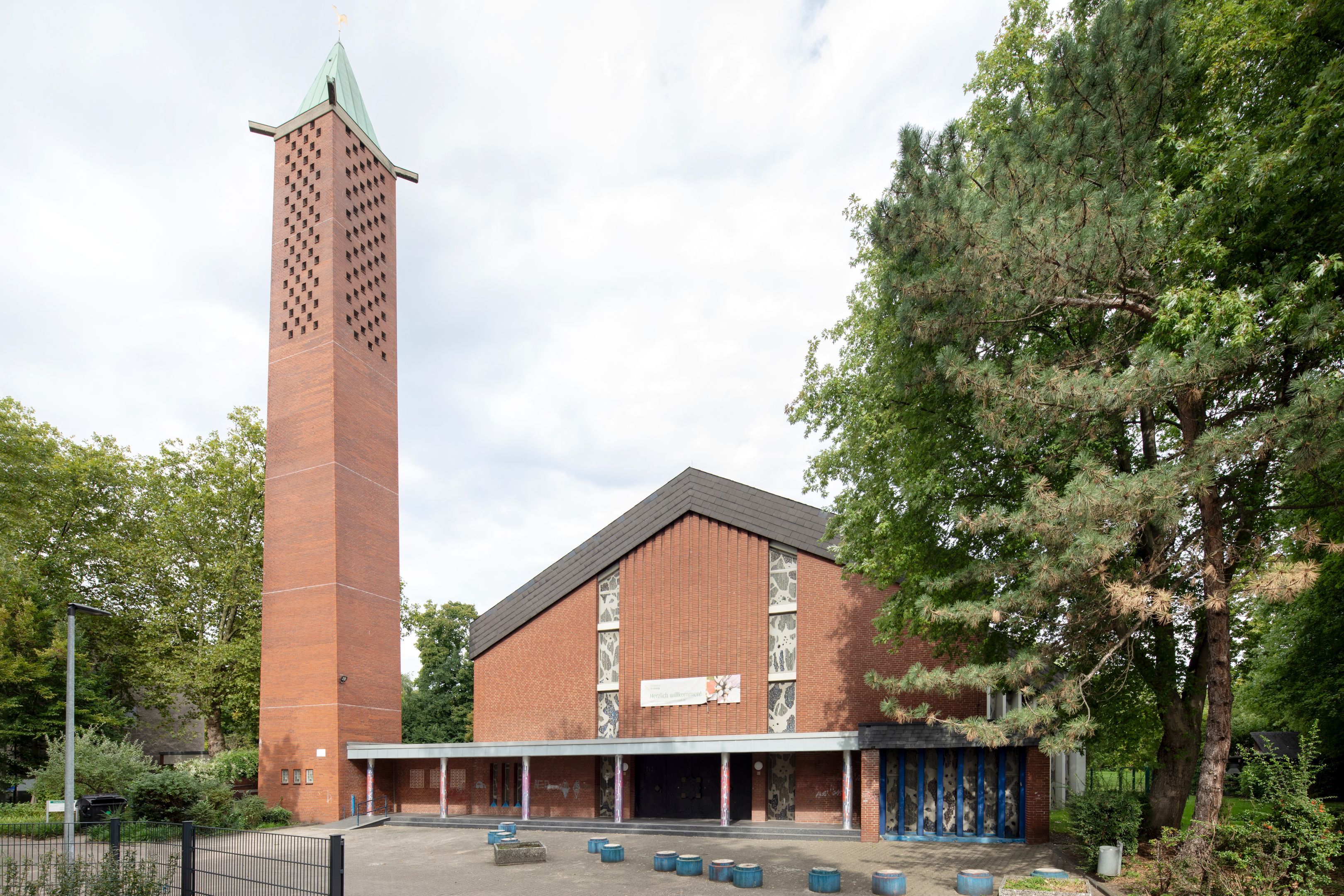
The team also consists of an intergenerational group working in three tandems:
René Block & Leonie Herweg
Essen
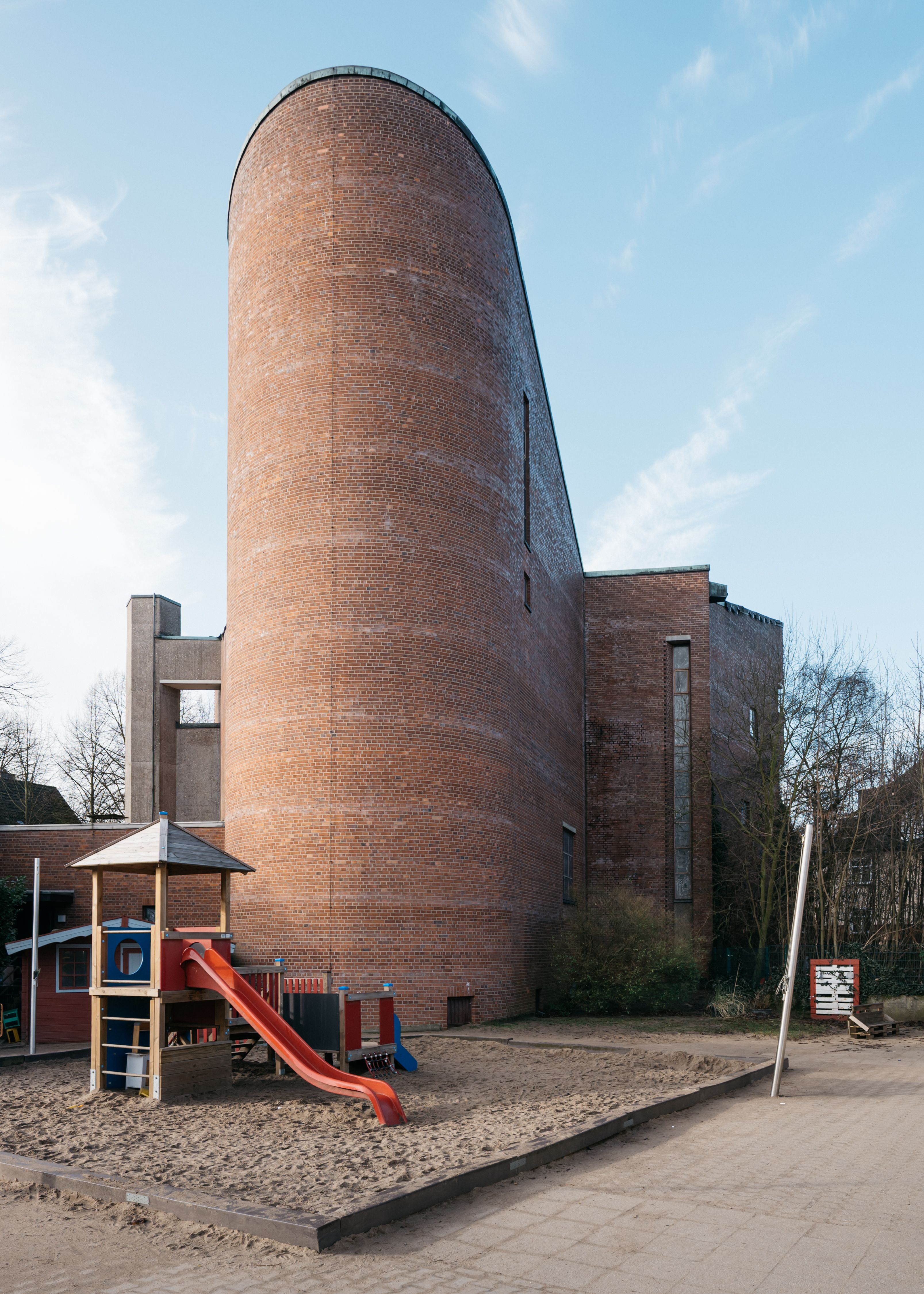
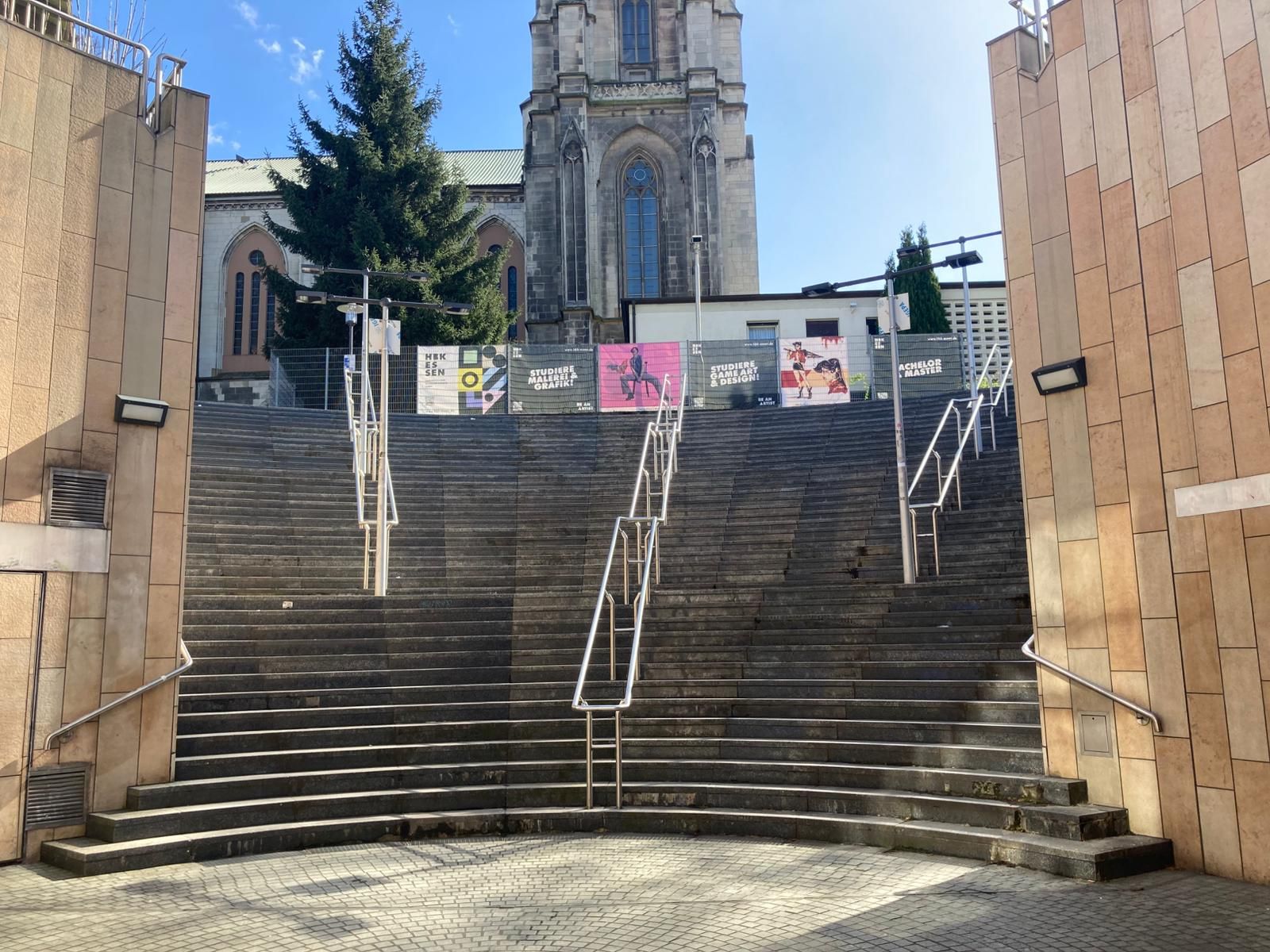
In Essen, German René Block, pioneering curator of the Fluxus movement, works in a tandem with Leonie Herweg, Berlin-based curator and co-founder of GROTTO.
Michael Kurtz & Henry Meyric Hughes
Duisburg, Essen, Gelsenkirchen
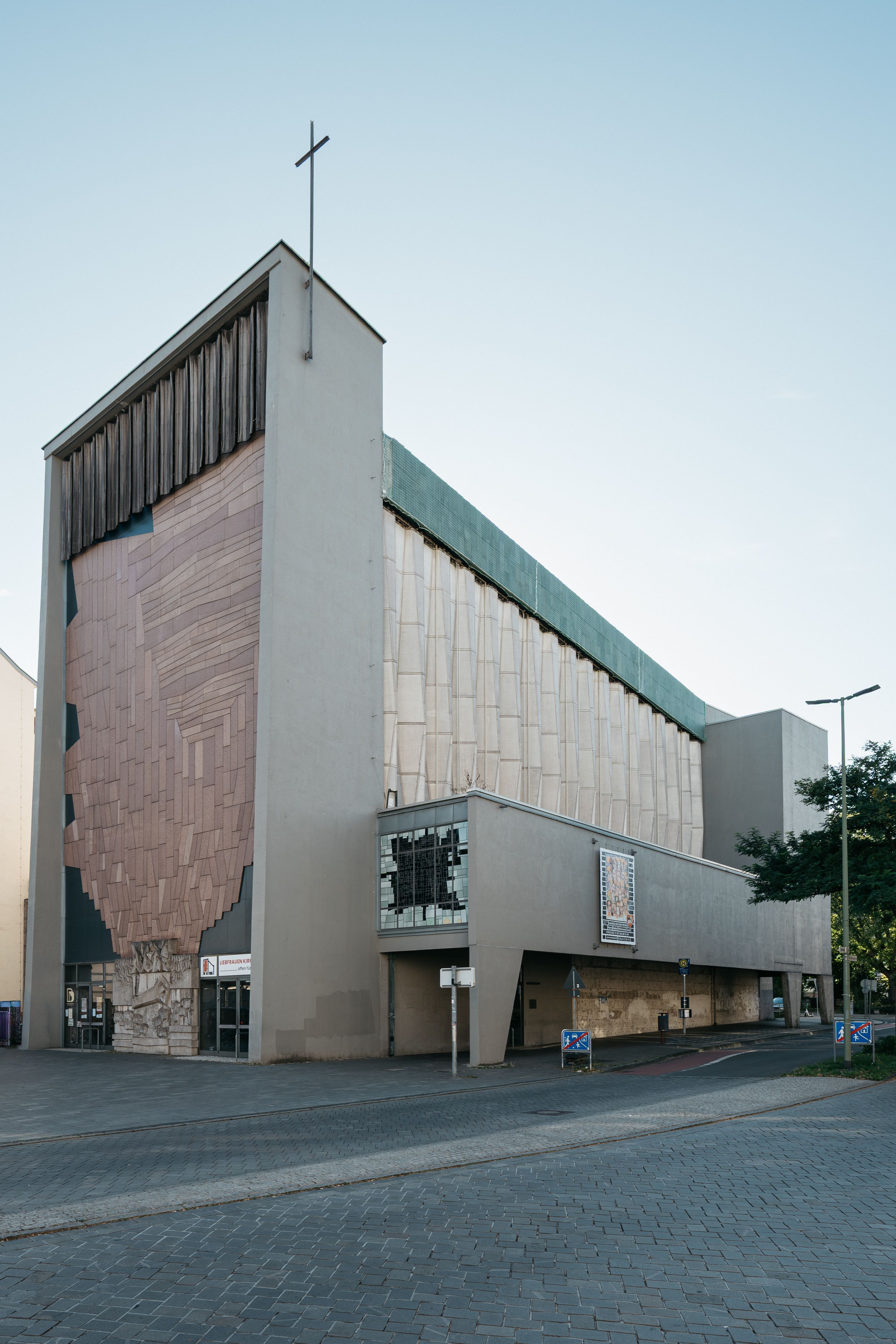
In Duisburg and Gelsenkirchen, Michael Kurtz, British critic and curator, who writes for Art Monthly, e-flux and ArtReview works with Henry Meyric Hughes, one of Europe’s most experienced curators and former head of the British Council’s Visual Arts Department and Director of Hayward Gallery in London.
Anda Rottenberg & Krzysztof Kosciuczuk
Bochum
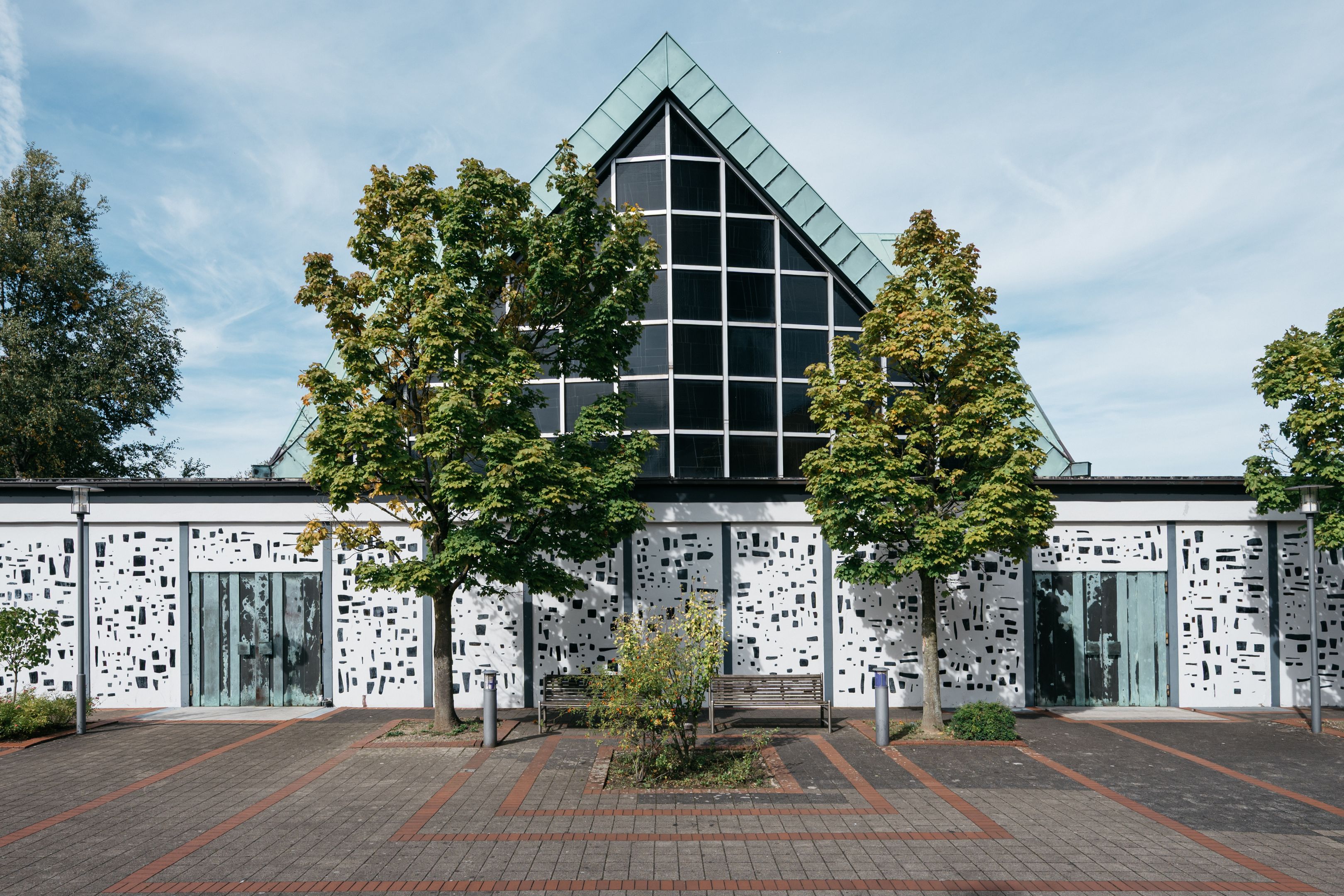
In Bochum, Anda Rottenberg, one of Poland’s most influential curators and former director of the Zachęta National Gallery, partners with Krzysztof Kosciuczuk, curator and writer with experience from documenta 14 to Muzeum Susch and contributor to Frieze, Mousse and Artforum.
- Mirosław Bałka,
- Mehtap Baydu,
- Mabe Bethônico,
- Aline Bouvy,
- Cudelice Brazelton IV,
- Pedro Cabrita Reis,
- Bérénice Gaça Courtin,
- Niklas Goldbach,
- Zuza Golińska,
- Nicolas Grospierre,
- Albe Hamiti,
- Eva Koťátková,
- Katarzyna Kozyra,
- Kateryna Lysovenko,
- Małgorzata Mirga-Tas,
- Marina Naprushkina,
- Pınar Öğrenci,
- Mykola Ridnyi,
- Wilhelm Sasnal,
- Anka Sasnal,
- Mikołaj Sobczak,
- Marion Stokes,
- Cassidy Toner,
- Luc Tuymans
Creative Mediators Biographies
Their creative artistic engagement with these churches will unfold through three conceptual lenses: Proximity, Transformation and Curation as a form of geopolitical investigation. The idea of Proximity is understood not only in spatial terms but also as a political and social condition — encompassing the intimacy of neighbourhood relations, the solidarities of care and the shared temporalities of local life. The project seeks to “unveil” these proximities by activating informal networks and everyday solidarities that persist despite urban fragmentation. This is not an attempt to romanticise the neighbourhood but to reclaim it as a communal space of agency in an age of disconnection.
Transformation refers to the potential redefinition of public space through experimentation, testing how these abandoned spaces can be transformed and how something meaningful and relevant can be created. Manifesta 16 Ruhr does not aim to monumentalise these former churches, nor to restore them as mere heritage sites. Instead, the Creative Mediators will investigate and ask how these structures might be reimagined as open, participatory platforms — spaces of civic engagement, intercultural dialogue and collective creation. Interdisciplinary artistic practices are key in this transformation process and will operate beyond simple exhibition models. These churches are to function as temporary civic anchors that may offer a new rhythm of cohabitation.
Finally, the notion of Curation as a form of geopolitical investigation responds to the broader history of the biennial itself: from the moment of Cold War optimism and European integration to the current era of poly-crises, from climate change and disinformation to rising populism and an illegal invasion on the European continent. As Europe confronts the fractures of its past and the uncertainties of its future, the Ruhr Area — fragmented, diverse and in flux — offers a powerful stage for cultural experimentation.
Manifesta 16 Ruhr does not propose a unified artistic thesis, but a constellation of inquiries. It asks how the spatial legacies of industrialism and institutional withdrawal can be repurposed for new forms of collective life. It asks how memory, especially that inscribed in architecture, can be mobilised not to fix identity but to unsettle and expand it. It asks what kinds of institutions, rituals and solidarities remain possible in the ruins of modernity and how culture might contribute to the reinvention of the region.